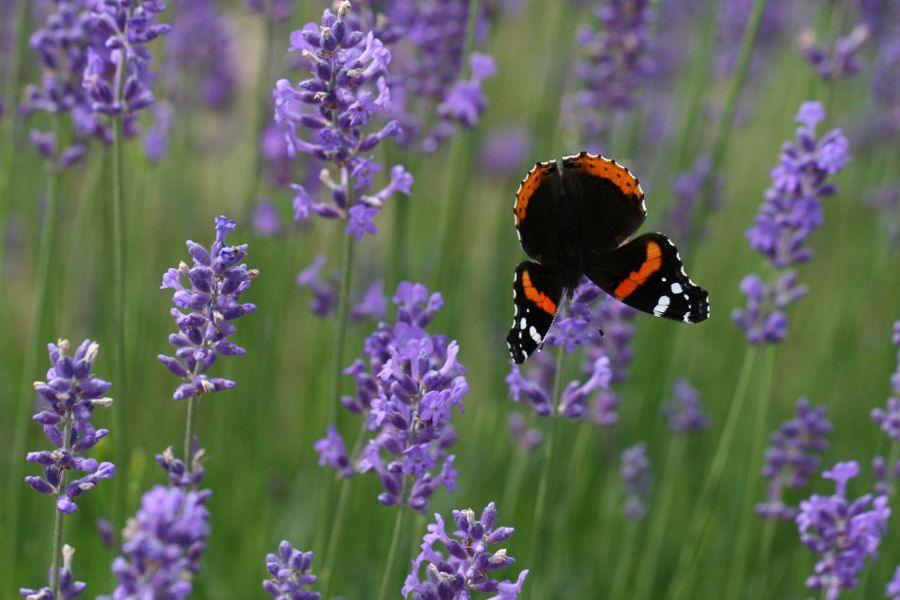
Lavender
Lavandula × intermedia 'Provence'
Silver all year, purple and humming with bees all summer. Wants sun, sharp drainage and to be left alone.

Now booking fall planting · Asheville
Landscape design and build for Asheville, Hendersonville and Black Mountain. One studio from the first sketch to the season it fills in, planted to thrive on less water every year after.
This season
Foothill gardens run on a calendar. Here's what each season is for, and the best time to get on ours.
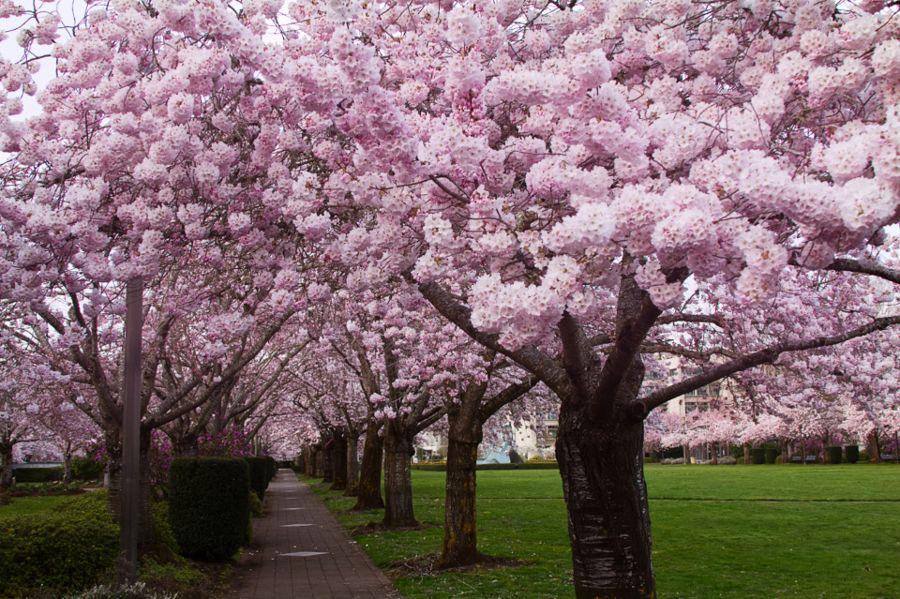
March – May
The garden wakes up fast out here. We get irrigation ready before the first hot week and put in the plants that carry color through July.
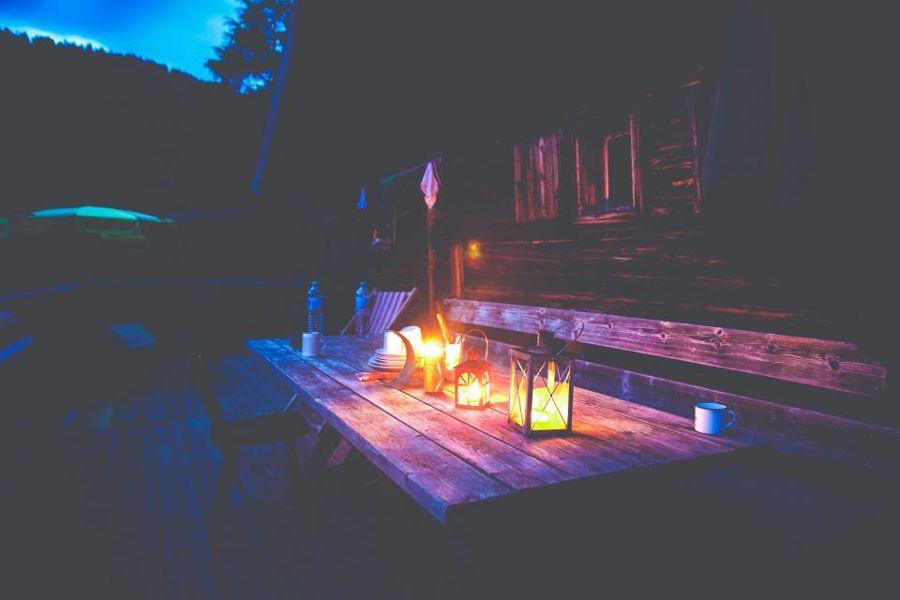
June – August
Nobody wants to install a lawn in July. Summer is when we light gardens, build shade and get yards ready for fire season.
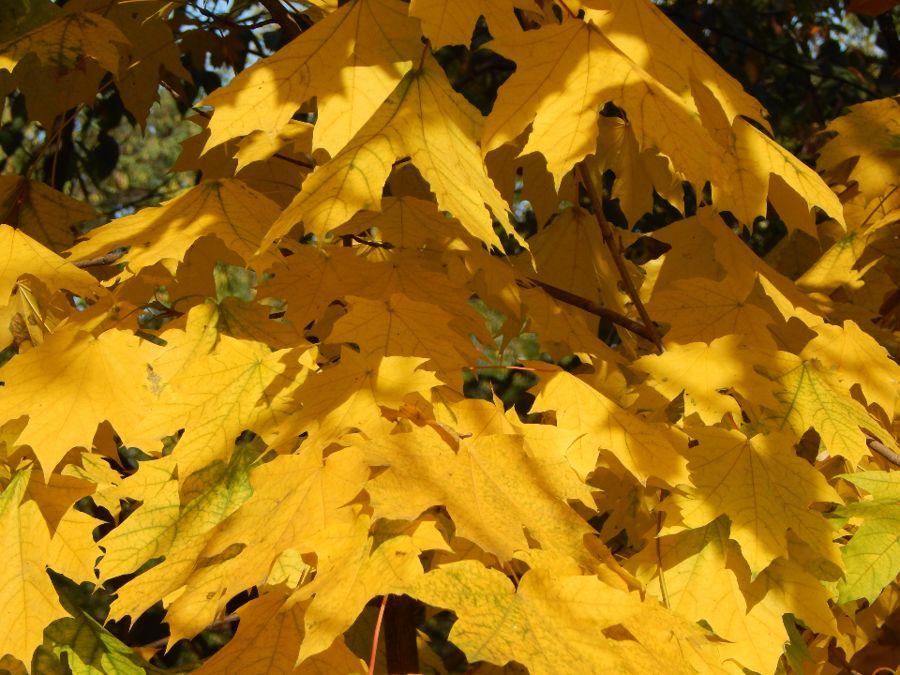
September – November
Warm soil, cool air and winter rain on the way. Plants put in now root all winter and take off in April, using a fraction of the water.
December – February
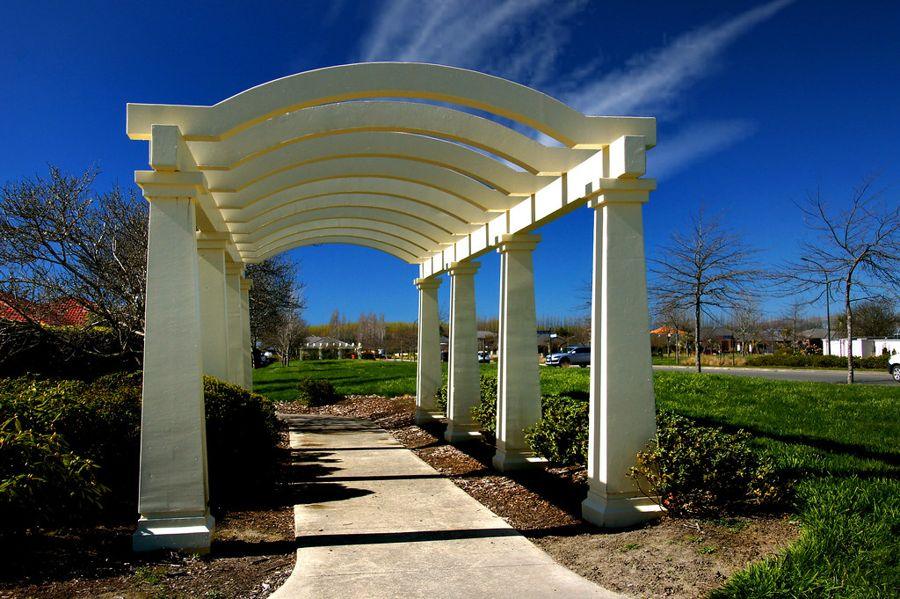
Plants are asleep, so it's the right time for patios, walls and paths, and for designing what goes in come spring.
Services
Design, build and care under one license, with one crew that knows your yard. Tap any service to start a quote.
Site walk, measured base plan, hand-drawn concepts and a full planting plan you can build at once or in phases.
Get a quotePavers, flagstone, concrete and decomposed granite, laid on a compacted base that won't heave in our clay soil.
Get a quoteAmended soil, plants sized for where they'll be in five years, and sod rolled onto graded, firmed ground.
Get a quoteZoned drip for beds, matched rotors for turf and a weather-smart controller you can run from your phone.
Get a quoteWarm low-voltage LED path, tree and step lights on a timer, so the garden glows on its own every evening.
Get a quoteLawn conversions and water-wise gardens built on Carolina native plants that thrive on less.
Get a quoteBlock and natural stone walls with drain rock and fabric behind them, engineered when the height calls for it.
Get a quoteMonthly or quarterly visits: hand pruning, drip checks, mulch top-ups and a controller reset each season.
Get a quoteThe design-build journey
Four stages, one studio, one foreman. Tap a stage to see what you get at each step.
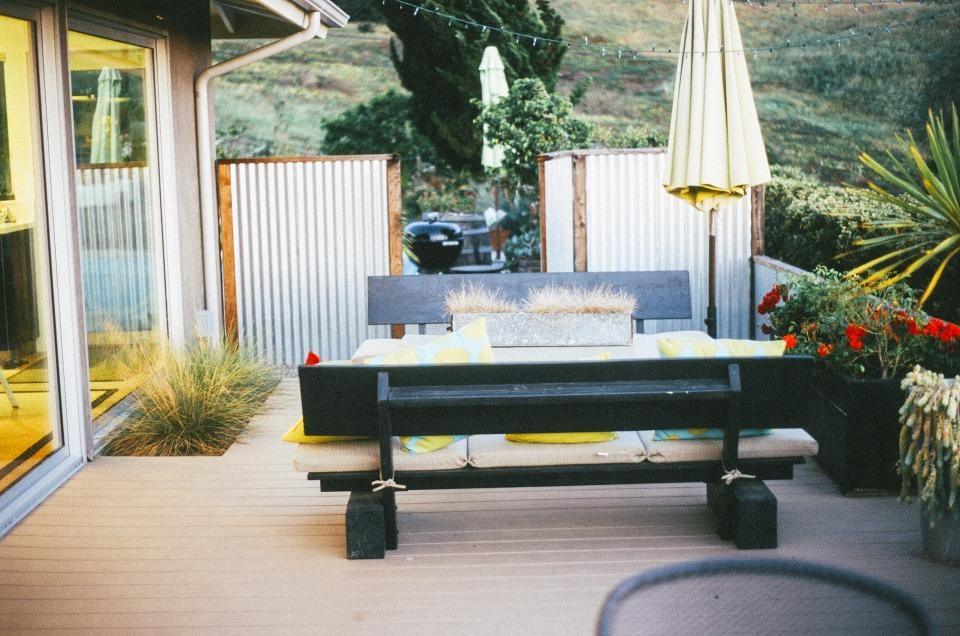
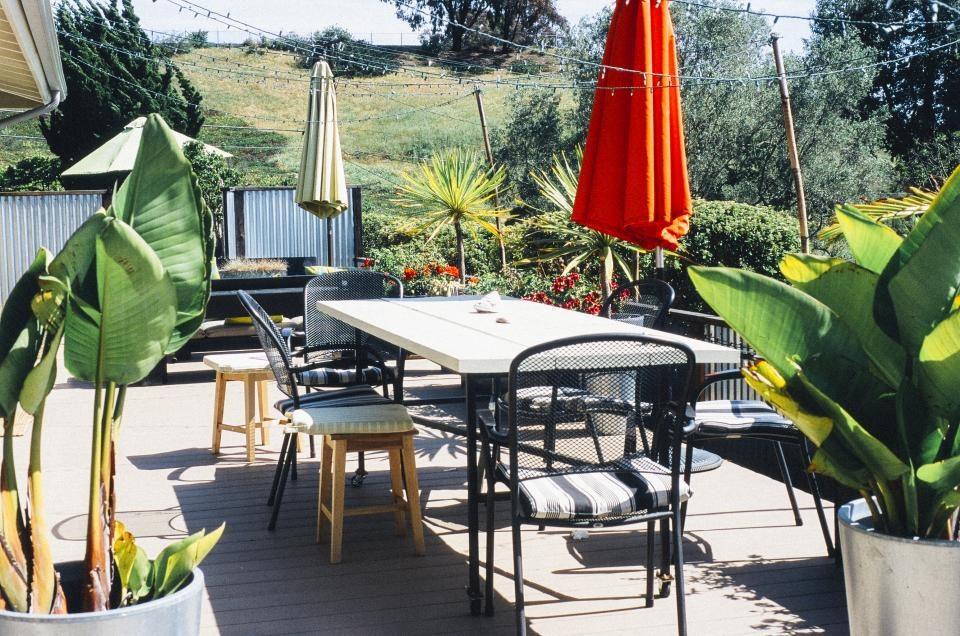
01Concept sketch · drawn by hand on site
Daniel walks the site with you, then draws two or three directions by hand. Cheap to change, quick to decide.
Weeks 1–2The chosen idea becomes a measured plan and a 3D model you can walk through, with every plant and material named.
Weeks 3–5Our own crew: grading, drainage, base rock, hardscape, irrigation, lighting, then planting. Same foreman, first day to last.
2–6 weeks on siteWe tune the drip, replace anything that sulks and come back at 30, 90 and 365 days. Year two is when it really shows.
The first year
 BeforeAfter
Before & after
This Biltmore Forest lawn died every August, the sprinklers watered the sidewalk, and every storm ran toward the garage. We regraded, rebuilt the irrigation and gave the beds their own drip zone.
Tap a photo to see it larger.
Drought-tolerant palette
Six workhorses we plant again and again from 1,000 feet at Lake Lure to 2,200 feet in Brevard. Filter by what matters in your yard.
Lavandula × intermedia 'Provence'
Silver all year, purple and humming with bees all summer. Wants sun, sharp drainage and to be left alone.
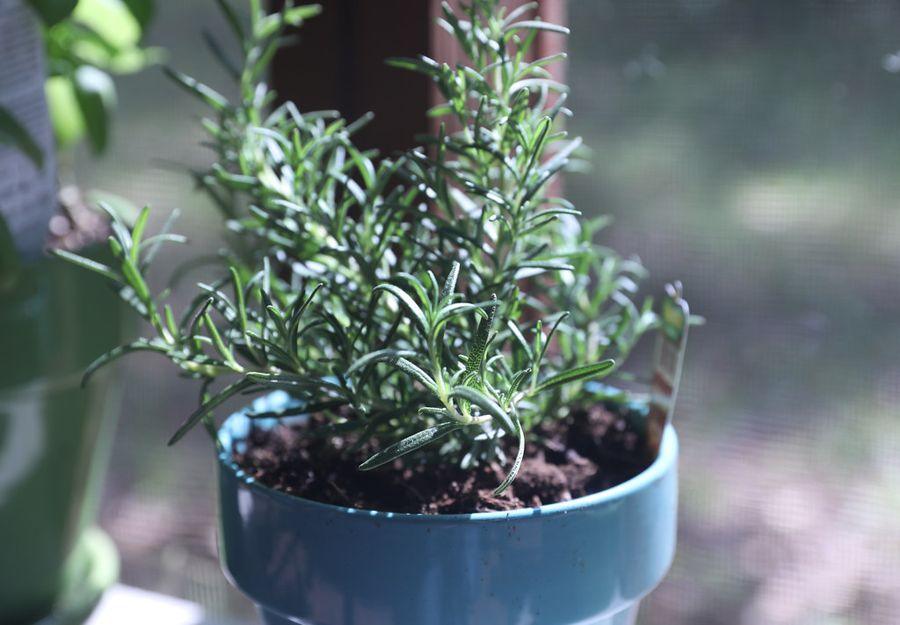
Salvia rosmarinus
Upright as a low hedge or trailing over a wall. Winter flowers feed bees when nothing else is blooming.
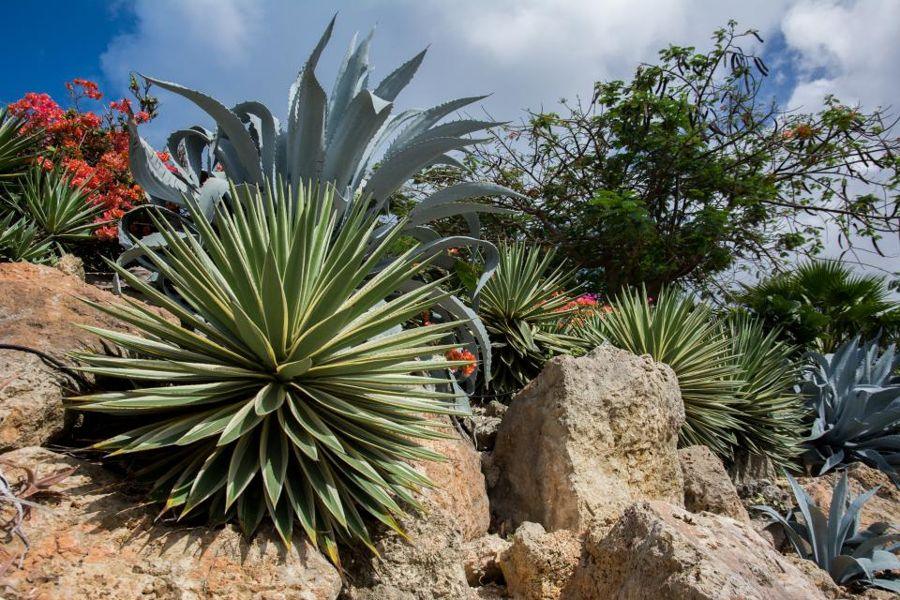
Agave parryi
Sculptural, frost hardy to the teens and happy on summer rain alone once settled. Placed away from paths.
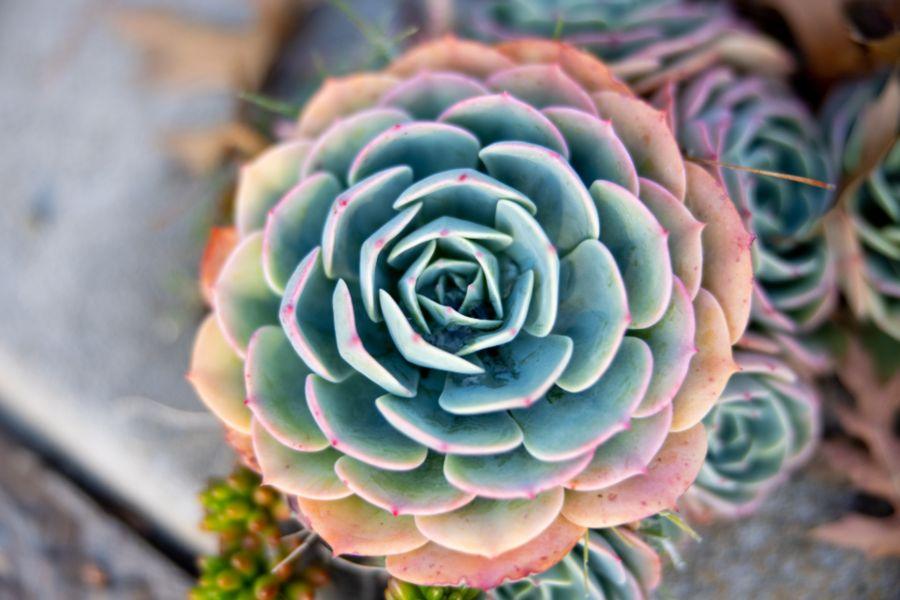
Echeveria species
Jewel-box rosettes for pots, steps and edges. Frost tender here, so we tuck them under eaves or in containers.
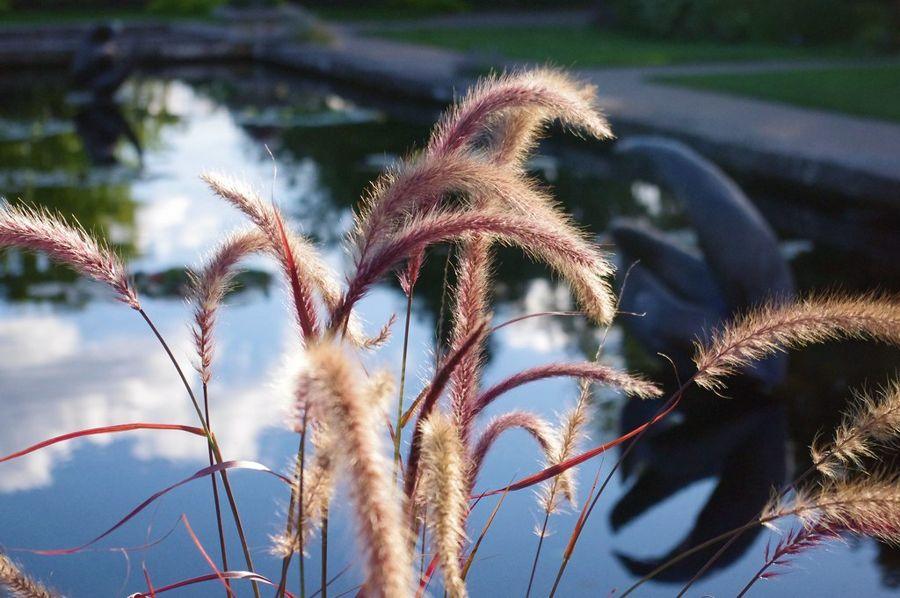
We favor natives: Muhlenbergia rigens, Carex
Movement and backlight in every border. Cut back once a year in late winter and that's the whole job.
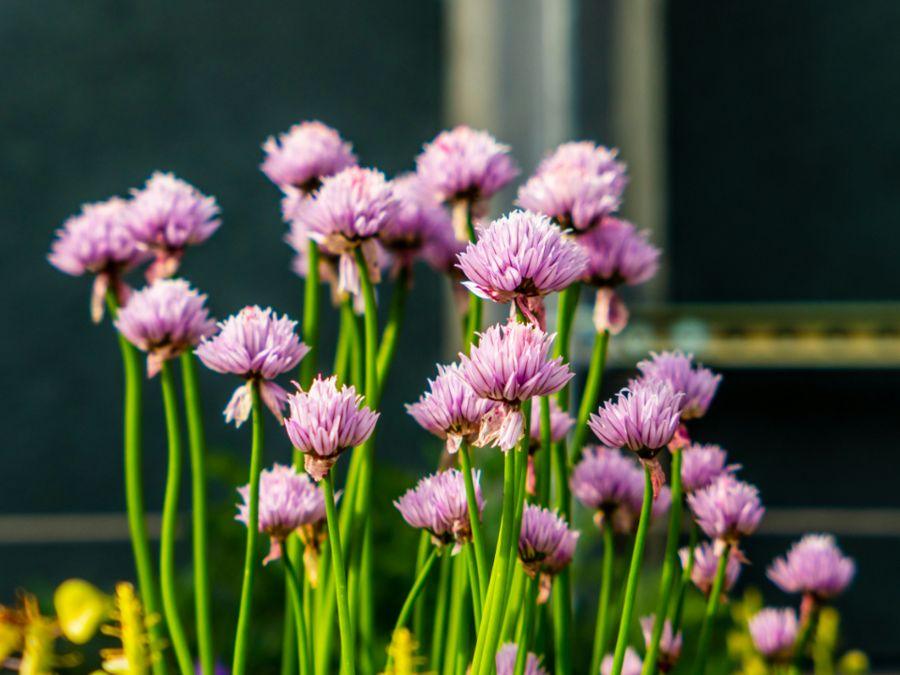
Allium species
Spring globes that deer and gophers leave alone. Planted in fall, they come back bigger every year.
Drag to your lawn size for a rough idea of what a water-wise garden saves each year.
Rough estimate: a foothill lawn takes about 28 gallons per square foot each season; a mature water-wise planting takes about a third of that.
About the studio
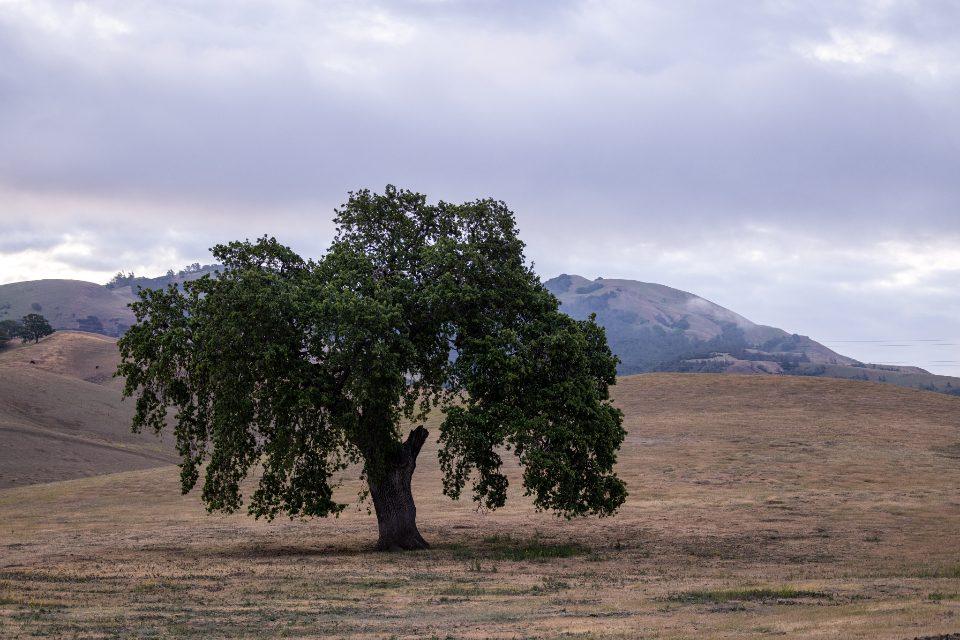
Daniel Whitfield grew up in Candler, spent his twenties on a commercial landscape crew and opened Oakmere in 2010 with a truck, a trailer and a sketchbook. The name comes from the white oaks that anchor so many yards out here. The first thing he does on any site is work out which trees to protect.
Sixteen years and 560-plus gardens later, he still draws every concept by hand, and the foreman who builds your patio is the same one who comes back for the one-year walk-through.
“A good garden should look better in year three than on install day. If it doesn't, we planted it wrong.”
Daniel Whitfield, founder
Reviews
Sample reviews written for this demo
“Daniel's hand sketches sold us before the 3D plan even arrived. The backyard went from a dead lawn and a cracked slab to a patio we use every single night.”
“Our water bill dropped by almost half the first summer after the lawn conversion. It looks better than the lawn ever did.”
“Retaining wall on a steep lot. They dug it out, put in drain rock and a pipe, and it hasn't moved through two wet winters.”
“The lighting is magic. Warm, not blinding, and it comes on by itself.”
“Crew showed up at seven every morning and swept the street every afternoon. Our HOA paperwork was handled before we even asked.”
“They saved our old oak. Every other bid wanted to trench straight through the roots. Daniel routed the irrigation around the drip line and it's never looked healthier.”
“Monthly maintenance is the best money we spend. They catch a broken drip line before the plants even notice.”
“Fall planting was the right call. Everything rooted in over the winter and took off in April.”
“Flagstone patio and a DG path out to the fire pit. Solid, level and exactly what the plan showed. Took a week longer than quoted because of rain, but they kept us posted daily.”
“We walked through a 3D model before a single shovel hit the ground. Zero surprises.”
“Deer used to eat everything we planted. Two years in, nothing on Daniel's plant list has been touched.”
“The new controller has a map with every zone labeled. For the first time I actually understand my own yard.”
Service area
From the lake shore in Hendersonville up to Brevard, we plant for each elevation: frost pockets, clay, granite and all.
Mon–Sat, 7 AM – 5 PM. Site visits most weekdays and Saturday mornings.
Most of our full backyard design-builds land between $35,000 and $120,000, mostly depending on how much hardscape is involved. Front-yard refreshes start around $12,000. The design fee is credited back when we build the plan.
Design takes three to five weeks, including revisions. Building takes two to six weeks on site depending on size. We'll give you a week-by-week schedule before we start.
Yes. You get a measured plan set, planting plan and materials list you can build yourself or bid out. Many clients start that way and have us build a phase later.
No. Our water-wise gardens are full and soft: lavender, salvias, grasses, natives and a little turf where kids and dogs actually play. They just get by on a fraction of the water.
Yes. We prepare and submit architectural review packages for Biltmore Forest and other HOAs, and walls that need engineering or permits get both. That's built into the schedule.
Plants on an irrigation system we install or maintain are guaranteed for a full year. Patios, walls and paths carry a two-year workmanship warranty.
Get started
Book a free site visit. Daniel or a lead designer comes out, listens, looks at sun, soil and slope, and follows up with a written proposal.
Book a free site visit now and we'll have a concept sketch in your hands within two weeks.